
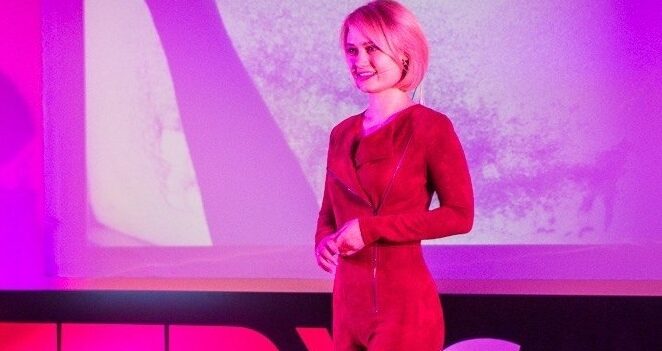
“How Emotional Intelligence Shapes Cities — and Companies”
Recalling one of the milestones in my professional life — my TEDx talk in 2018. I explored how emotional intelligence, although deeply personal, can influence the collective culture of families, companies, and even cities.
My argument is grounded in organizational psychology, a discipline at the intersection of personality, interaction, and systems. In practical terms, it means that:
1. We work with the individual leader — their emotional patterns, reflexes, capacity to hold tension, give feedback, and regulate themselves.
2. We work with the group dynamic — how teams create trust, resolve conflict, and process ambiguity.
3. And we engage the system as a whole — structure, incentives, cultural rituals, and unspoken rules.
Methodologically, this becomes a cascade:
• Diagnose the leader’s emotional landscape. What triggers shutdown or reactivity? Is there a pattern of avoidance or dominance?
• Observe the micro-climate in teams. What are the shared emotional habits? Cynicism, hyper-achievement, silence, over-compliance?
• Intervene systemically. Shift meeting formats, redesign recognition systems, and codify new rituals that reinforce openness, clarity, curiosity.
Emotional intelligence is not a soft skill. It’s a structural component of culture.
In my talk, I used the metaphor of a kaleidoscope — beautiful order born of difference and movement. It still resonates with me. Especially when I think about urban sociology. George Simmel’s theory of intersecting social circles explains why diversity fuels innovation: the more social cross-pollination, the richer the culture.
It’s the same with companies. When leaders have high emotional agility, they unlock the creative potential of their people. They hold space for difference, and yet move toward shared purpose.
So I’ll repeat this again — culture starts with the leader.
Even in cities. Especially in companies.